
Miami Jury Finds Christian Sanon Guilty on All Eight Counts in Jovenel Moïse Assassination Case
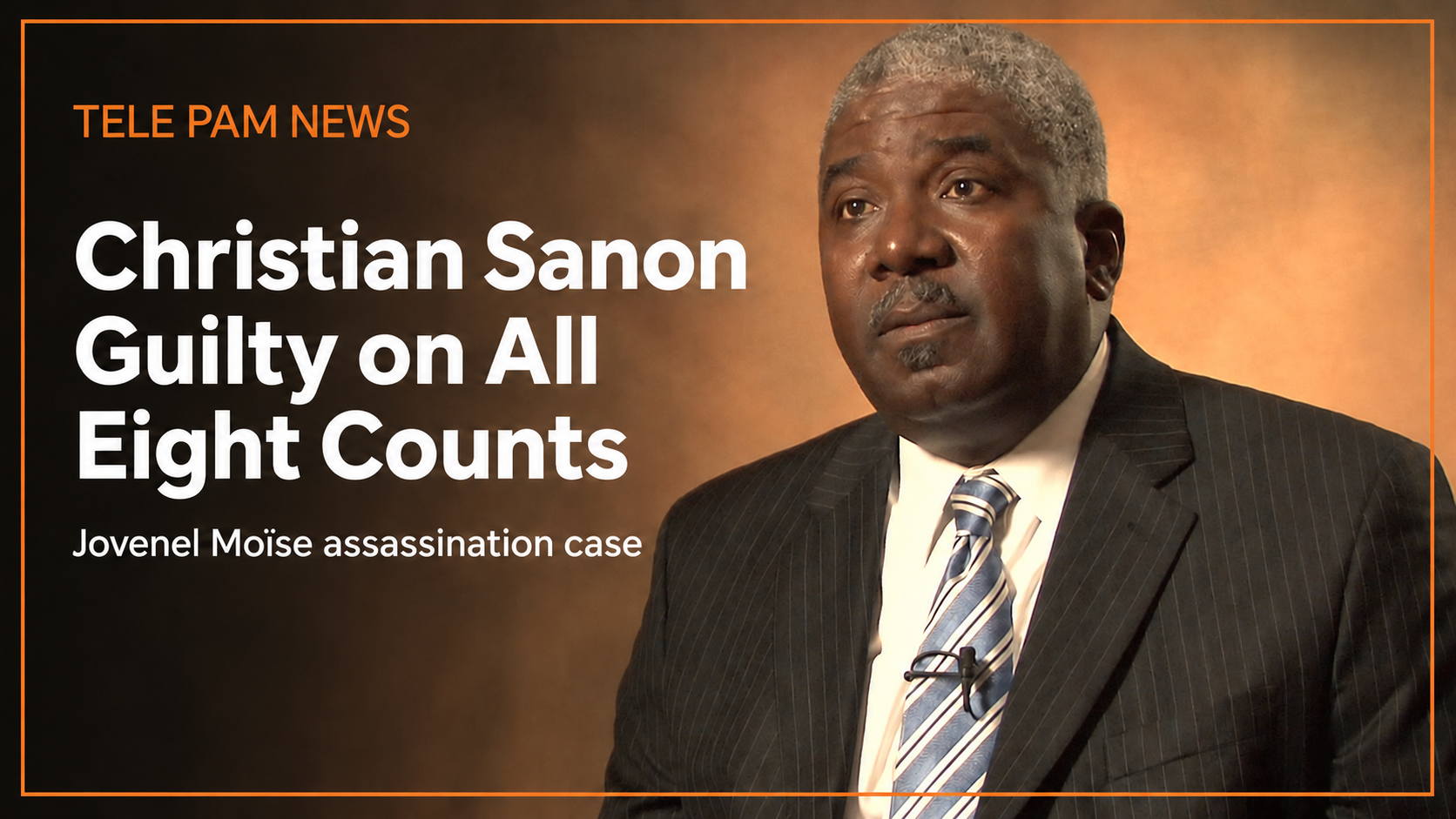
MIAMI, Fla. — A federal jury in Miami convicted Christian Emmanuel Sanon on all eight counts Wednesday, Nov. 18, for his role in a conspiracy that culminated in the assassination of Haitian President Jovenel Moïse in July 2021.
Sanon, a dual Haitian and U.S. citizen, was the conspirators’ initial choice to replace Moïse, according to federal prosecutors. He faces up to life in prison and is scheduled to be sentenced on Feb. 10, 2027. His attorney, Zeljka Bozanic, said the defense plans to appeal.
The verdict followed a nearly eight-week trial. The most serious charge was conspiracy to kidnap or kill a person outside the United States. Sanon was also convicted on charges involving material support for the plot, a military expedition launched from the United States against Haiti and the illegal export of goods.
Prosecutors say the plot took shape in South Florida
In April 2021, Sanon met with a former Haitian senator and several business figures in South Florida to discuss removing Moïse from office, prosecutors said. Among them were Arcangel Pretel Ortiz and Antonio Intriago, who ran two Florida companies known collectively as CTU.
Prosecutors told jurors that the companies agreed to help put Sanon in power and expected to receive Haitian government contracts in return. Those contracts would have covered infrastructure projects, security personnel and military equipment. Prosecutors said Sanon helped raise money and arranged travel and lodging in Haiti.
The financing was also a focus of an earlier federal trial. The U.S. Justice Department said Florida lender Walter Veintemilla agreed to provide $175,000 through a loan funded with money from federal pandemic relief programs.
By June 2021, prosecutors said, the conspirators had concluded that Sanon lacked the constitutional qualifications and public backing to take office. They shifted their support to Wendelle Coq Thélot, a former Haitian Supreme Court judge, and continued their efforts to remove Moïse.
Sanon denied knowing of a plan to kill Moïse
Sanon took the stand in his own defense. He said he wanted Moïse out of office because he believed the president was undermining democracy. He acknowledged speaking with people who wanted to replace Moïse and said they had moved on to another candidate well before the assassination. He denied knowing of any plan to kill the president.
Sanon was arrested in Haiti days after the killing. U.S. authorities took him into custody in 2023, when he initially faced charges involving the shipment of goods from the United States. Federal prosecutors later brought the conspiracy charge that became the most serious count at trial.
Martine Moïse testified about the attack
In the early hours of July 7, 2021, a group made up largely of former Colombian soldiers stormed the president’s home near Port-au-Prince. Moïse was shot and killed in his bedroom. His wife, Martine Moïse, was seriously wounded and flown to Florida for treatment. She testified during Sanon’s trial.
In the earlier Miami trial, prosecutors presented ballistic evidence linking bullets recovered during the president’s autopsy and Martine Moïse’s surgery to a rifle used by the Colombian team. The Justice Department said prosecutors also introduced messages showing that conspirators had discussed plans to kidnap or kill Moïse for months before the attack.
Four other defendants also await sentencing
Sanon was originally scheduled to stand trial alongside Pretel Ortiz, Intriago, Veintemilla and James Solages. His case was separated and delayed for health reasons. A federal jury in Miami convicted the four men on May 8, 2026, on charges that included conspiracy to kidnap or kill Moïse and providing material support for the plot. All four face up to life in prison and are awaiting sentencing.
The wider investigation has brought more suspects into U.S. custody. In late September, 18 people were extradited from Haiti to the United States, including 17 former Colombian soldiers and Joseph Badio, a former Haitian Justice Ministry employee.
More than five years after the assassination, Haiti remains without a president. Sanon remains in federal custody ahead of his February sentencing.
Related stories

South Florida Flooding Closes Schools in Miami-Dade and Broward as More Rain Threatens
MIAMI, Fla. — Public schools in Miami-Dade and Broward counties closed Thursday after two days of heavy rain stranded drivers and forced families…

North Miami Councilwomen Begin New Terms and New Mayor Takes Oath at NoMi Village
North Miami Councilwomen Kassandra Timothe and Mary Estimé-Irvin were sworn in for new terms Tuesday evening, Nov. 17, as residents, relatives and supporters…
Marleine Bastien Begins New Term as Miami-Dade Commissioner, Reaffirms Commitment to District 2
The longtime Haitian American community leader begins a new four-year term, with housing affordability, neighborhood improvements and residents’ needs remaining key concerns. MIAMI-DADE…